Zentrum für Sonnenenergie- und Wasserstoff-Forschung
Baden-Württemberg (ZSW)
“Big questions can involve measuring small things”
Contact us directly
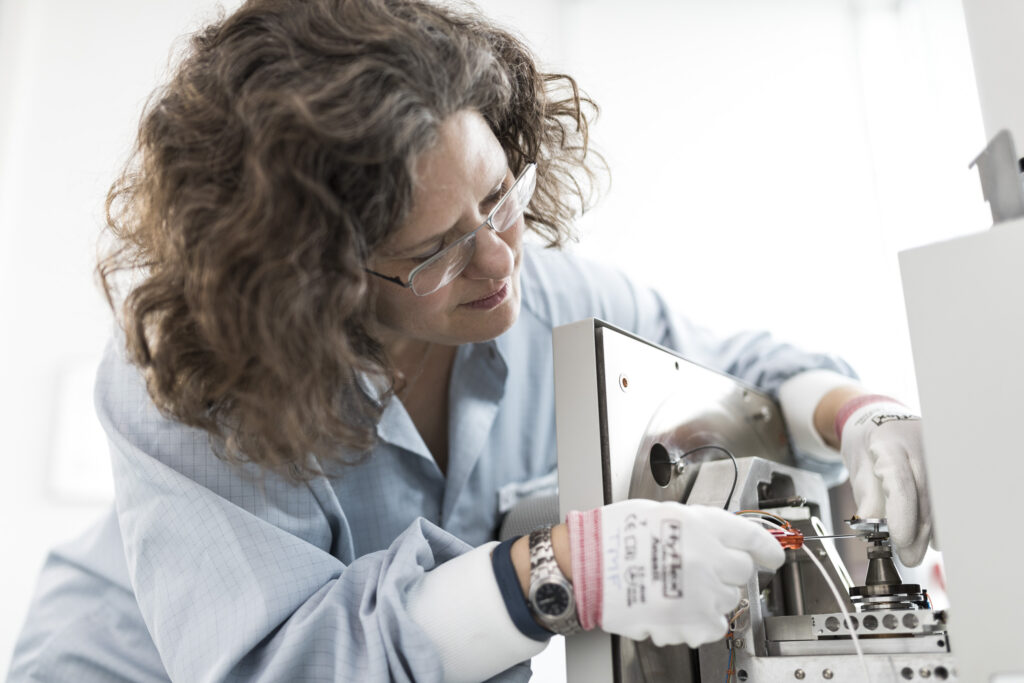
At ZSW, modern measurement techniques are paired with scientific expertise. We provide personalized discussions regarding your samples and requirements. We advise on the best methods to attain the desired information and help you fully understand and apply the insights in your specific context.
Expertise
Our expertise in analysis methods is based on decades of experience
Experience
Extensive knowledge and experience derived from research and technology transfer activities since 1988
Measurements
Wide range of methods available in-house: materials, electrical, and opto-electrical analyses
Coordination
Coordination of measurement series between different institutes – access our network!
Consulting
Personalized advice regarding methods selection based on your requirements Interpretation of results and further recommendations
We offer
- Microscopy
- Materials characterization
- Electro-optical characterization
- Device analysis
- Gas analysis … and more!
Characterization Methods
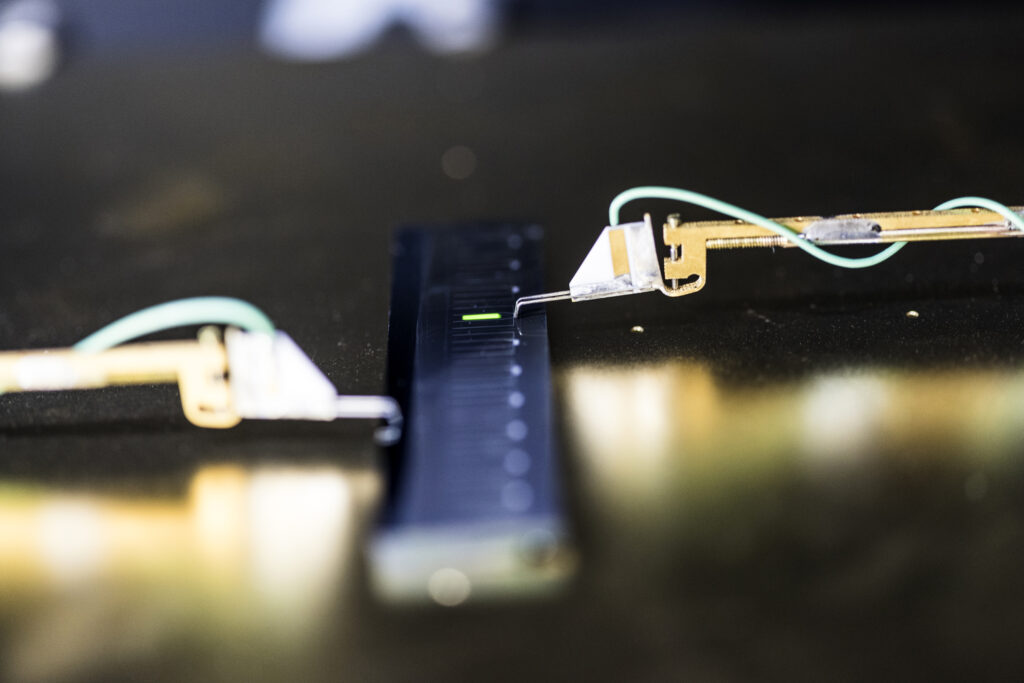
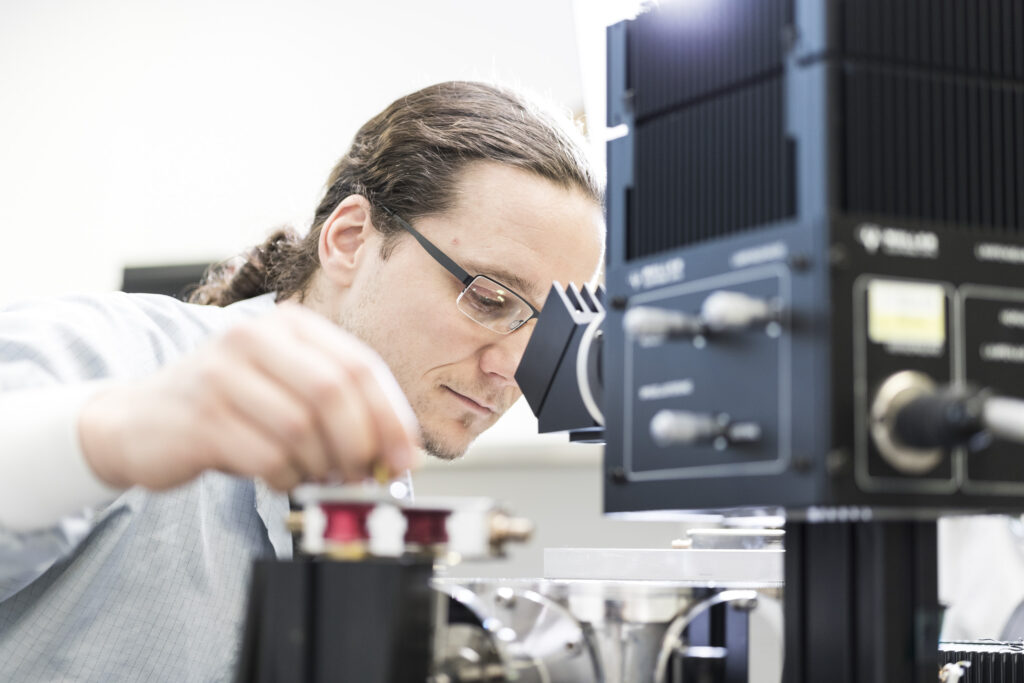
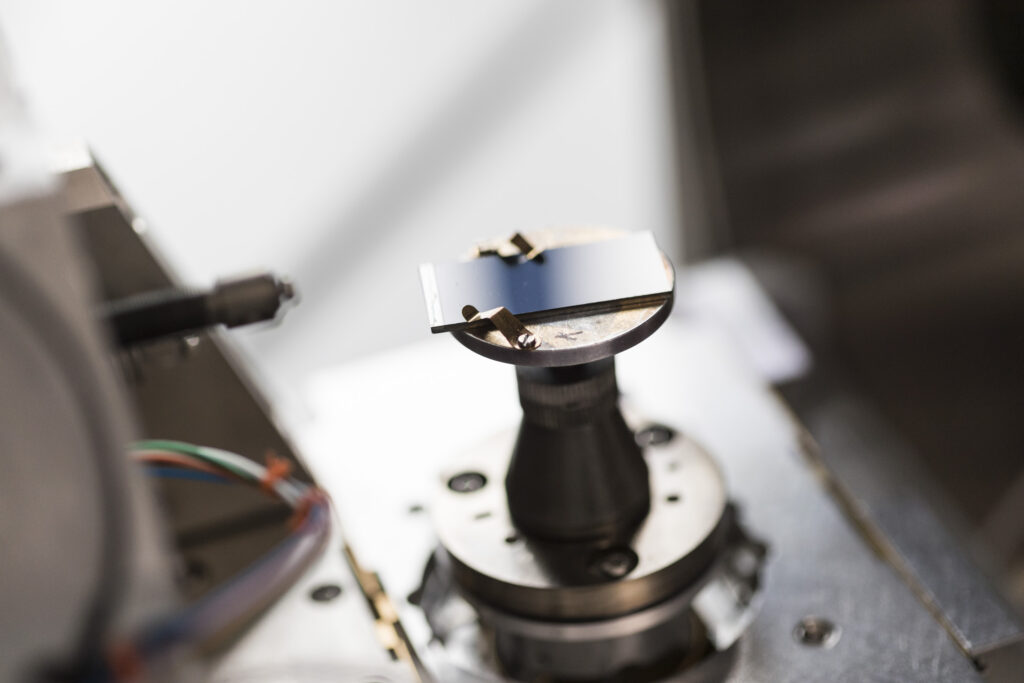
Explore a selection of methods here and feel free to contact us about others – several more are available at ZSW!
Materials Characterization
| EDX Energy-Dispersive X-ray Spectroscopy | High-spatial-resolution composition by electron-beam |
| FIB-SEM Focussed Ion Beam-Scanning Electron Microscope | High-resolution imaging and milling |
| GDOES Glow Discharge Optical Emission Spectroscopy | Depth profiles of composition by optical emission in plasma |
| Raman Spectroscopy | Phase identification by bond oscillations |
| ToF-SIMS Time-of-Flight Secondary Ion Mass Spectrometry | Composition by mass spectrometry, depth profiles ans 3D composition imaging |
| XPS X-ray Photoelectron Spectroscopy | Surface elements and their chemical state |
| XRD X-ray Diffraction | Phase identification by crystal structure |
| XRF X-ray Fluorescence | Composition and thickness of thin films |
Optical/Optoelectrical Methods
| OBIC, PL Mapping Optical Beam Induced Current, Photoluminescence | Homegeneity of current generation, material quality |
| Optical microscope | Identification of features, inspection of grid fingers and scribes |
| Optical spectroscopy UV-Vis-NIR with integrating sphere | Optical characteristics: transmission, reflection, scattering |
| Profilometry | Optical/tacticle profilometry |
| Quantum Efficiency | Spectral distribution of current generation and collection |
| Spectral Ellipsometry | Optical constants and film thickness for very thin flat films |
| TRPL Time-Resolved Photoluminescence | Calculation of charge carrier lifetimes from photoluminescence decay |
Electrical Characterization Methods
| CV Capacitance-Voltage | Calculation of charge carrier concentration |
| DLIT Dark Lock-In Thermography | Imaging method to localize short circuits and current leakage |
| DLTS Deep-Level Transient-Spectroscopy | Defect characterization |
| EL Electroluminescence | Imaging method for localisation of regions and faulty contacts |
| Hall effect | Calculation of charge carrier concentration and mobility |
| Low-Temperature Characterization | Temperature dependency and low-temperature characterization of e.g. IV, CV |
| Transient Current-Voltage-Capacitance | In-depth electrical characterization of perovskite solar cells |
| Solar Simulators, IV Current-Voltage characterization | Calculation of solar parameters for cells or modules in substrate or superstrate configurations, temperature adjustable |
| Sheet resistance Four Point Probe Mapping | Calculation of sheet resistance |
For a full overview of our methods, download the brochure down below.
Examples
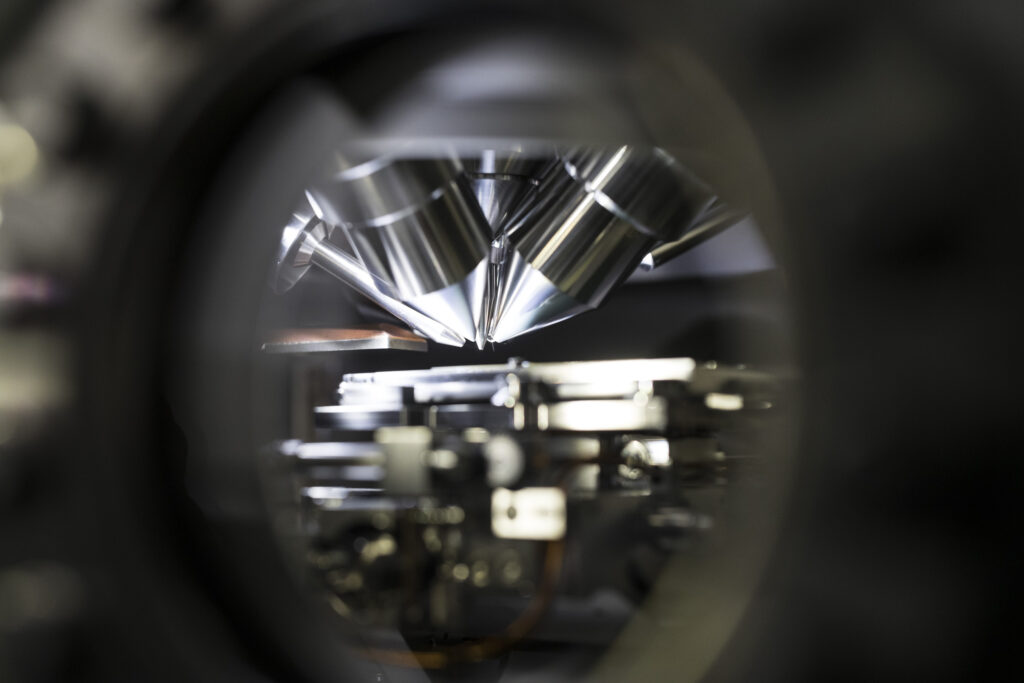
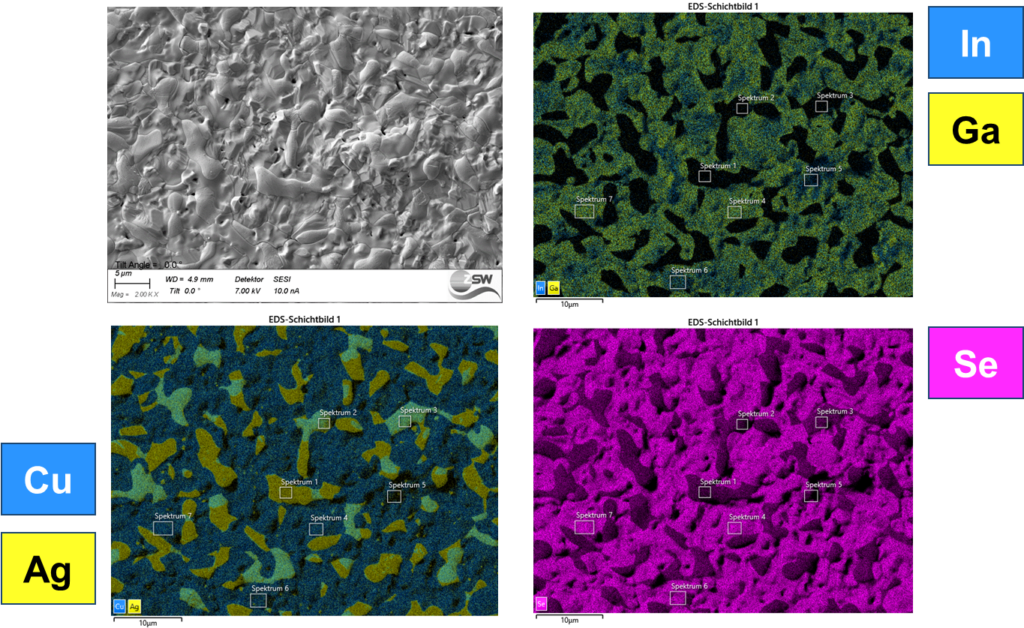
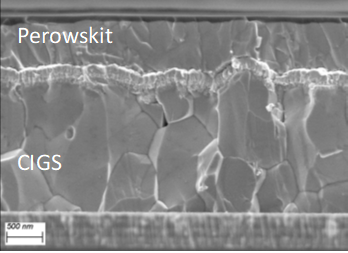
Scanning electron microscopy with element analysis
Zeiss Crossbeam 550 FIB-SEM / Oxford Instruments EDX
Focussed Ion Beam – Scanning Electron Microscopy
- High resolution
- Determination of morphology / layer thicknesses
- Element analysis
- FIB cross-sections
ToF-SIMS
Iontof ToF.SIMS5
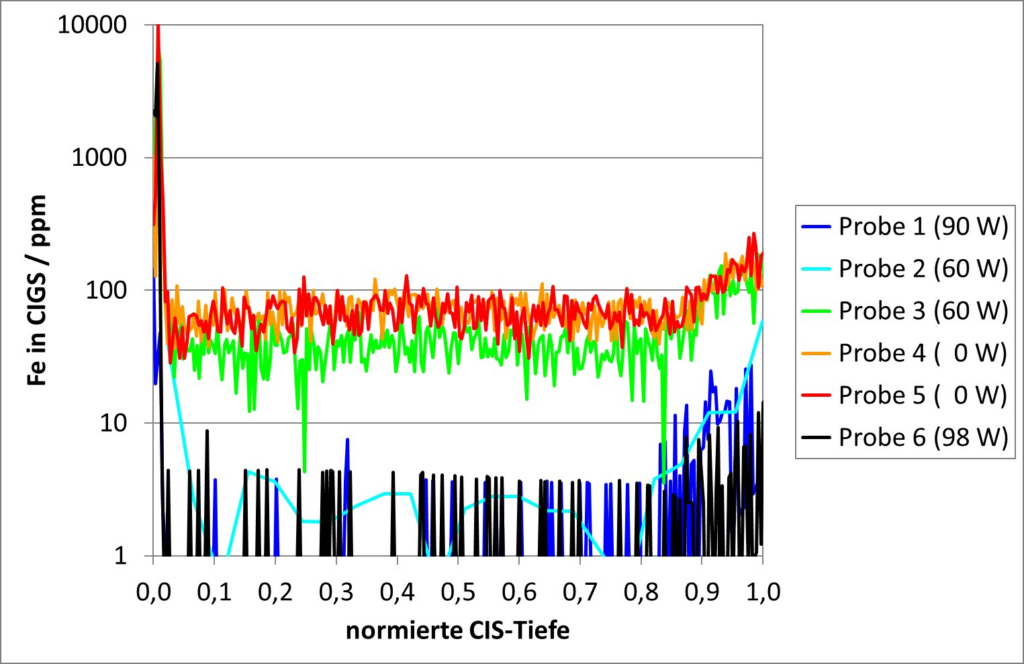
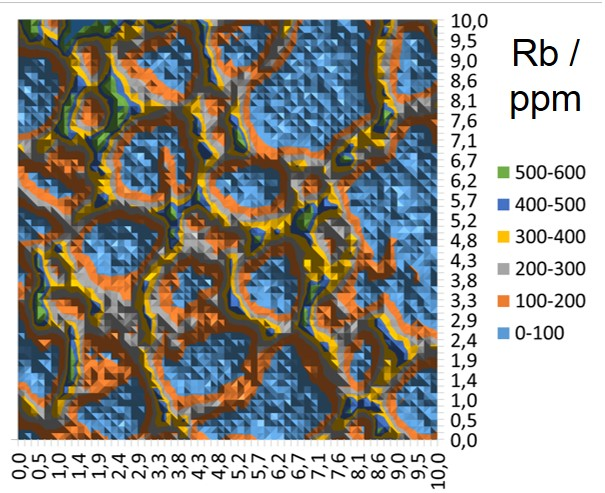
Time-of-Flight Secondary Ion Mass Spectrometry
- Determination of elements and molecules
- Depth profiles with high sensitivity
- High lateral resolution possible
Unlock the full potential of your materials! Contact us today to discuss how our expert analysis can provide the insights you need.
Ansprechpartnerin: Dr.-Ing. Theresa Magorian Friedlmeier
✉ theresa.friedlmeier@zsw-bw.de ✆ +49 711 7870293

Contact us directly
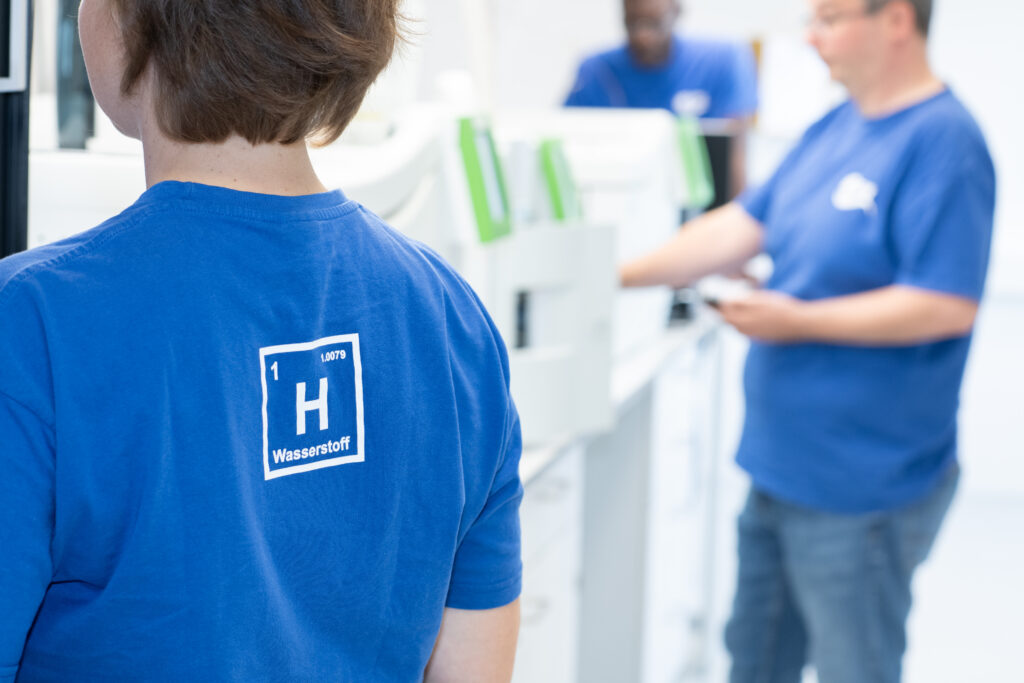
ZSW HyLaB: Your Partner for Hydrogen Quality Analysis
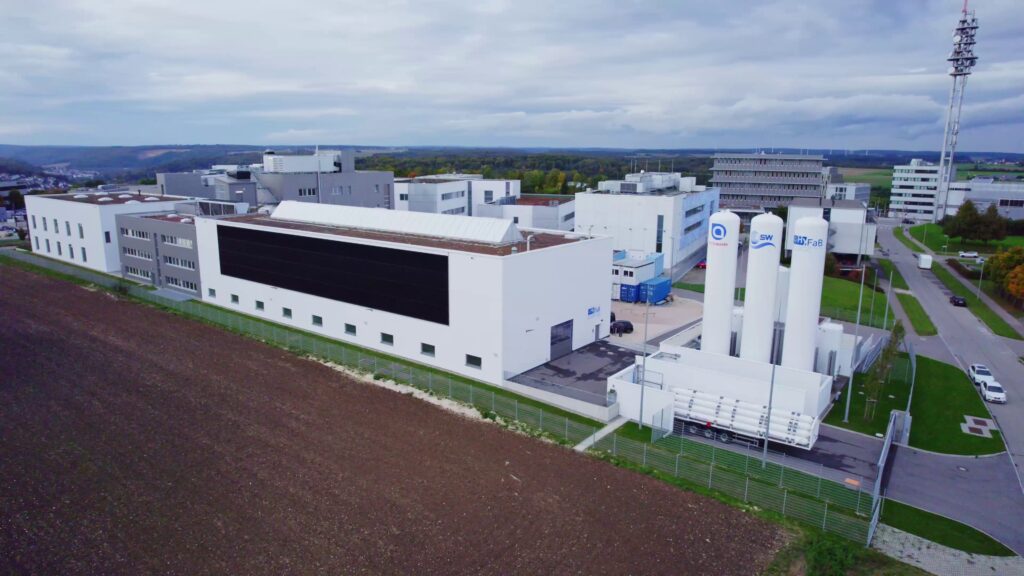
ZSW HyLaB is a certified and independent hydrogen quality analysis laboratory, acting as a service provider and development partner for the Fuel Cell technology sector and its supply chain.
We sample and analyse hydrogen focused on lowest impurity levels, primarily for use in low temperature PEM Fuel Cell technology, according to ISO 14687 and DIN EN17124 (Grade D).
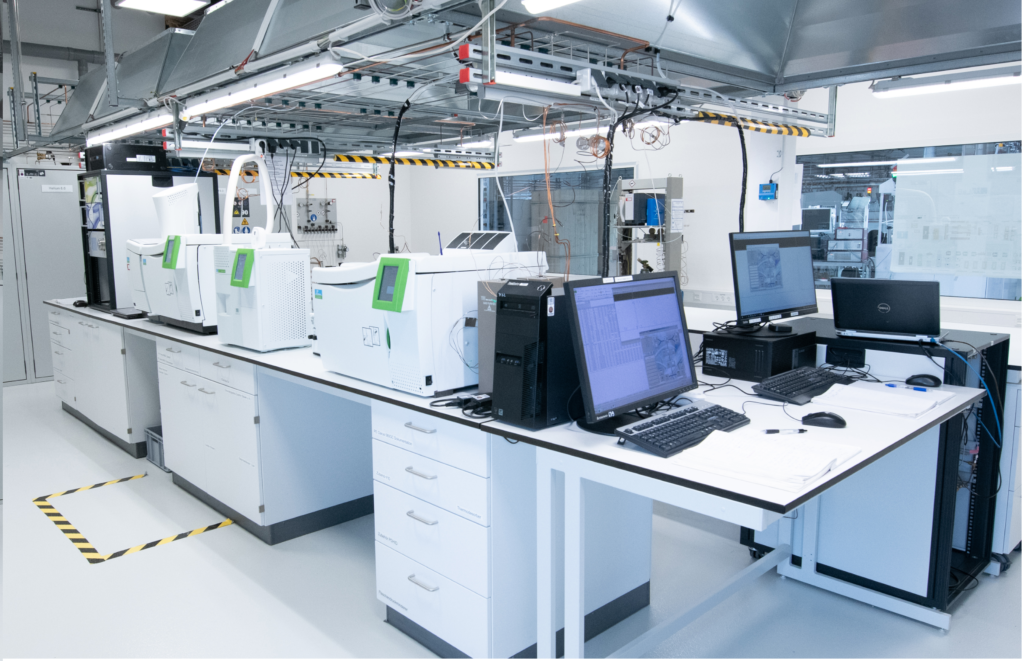
Our dedicated service will enable you to understand and prove the quality of your hydrogen, independent if you act as a hydrogen producer, hydrogen provider or hydrogen consumer.
Embedded in several decades of R&D expertise in manufacturing and testing of Fuel Cells and their components, our hydrogen analysis service can also be combined with extensive in-house knowledge in the field.
We give you the best and most qualified answers you need for your successful todays and future business in the hydrogen technology and economy!
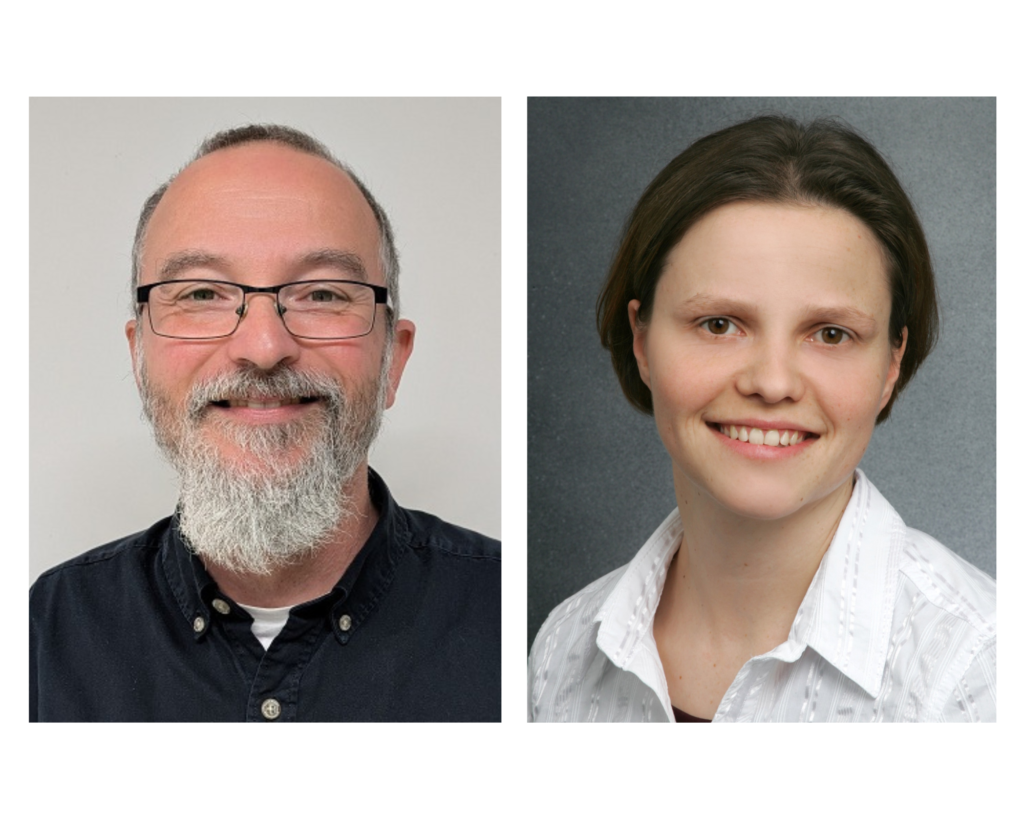
HyLaB Experts at ZSW
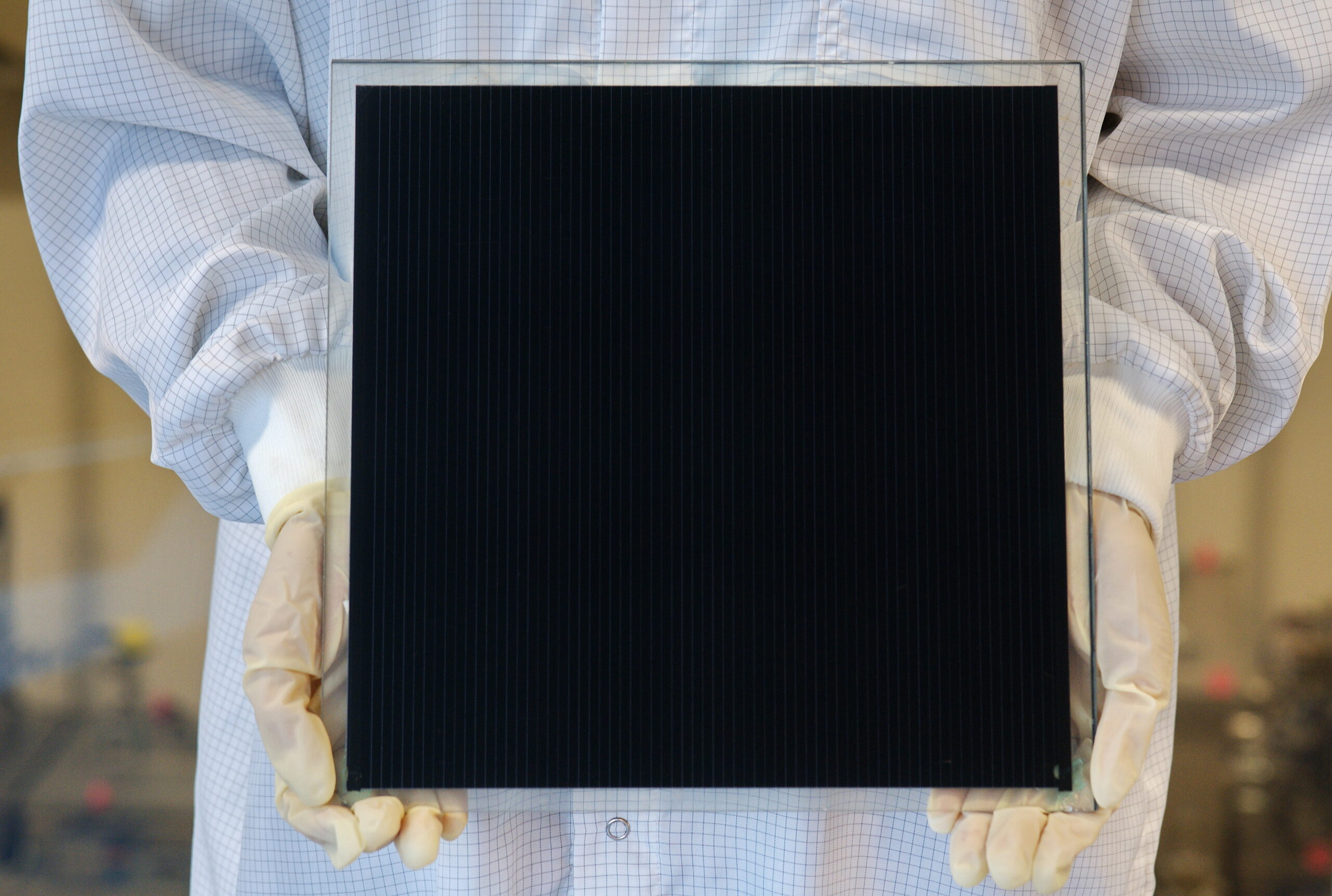
Thin Film Lab – Preparation of thin layers
- Coatings and research and development activities
- Coating systems from laboratory size to semiindustrial pilot plants
- Various coating processes
- Processes on various substrates (rigid, flexible)
- Coatings from nm to μm thickness, on areas from 1×1 cm² to 30x30cm²
Locations
Zentrum für Sonnenenergie- und
Wasserstoff-Forschung Baden-Württemberg
Meitnerstr. 1
70563 Stuttgart
Lise-Meitner-Straße 24
89081 Ulm
Further information
Copyright © Zentrum für Sonnenenergie- und Wasserstoff-Forschung Baden-Württemberg 2026